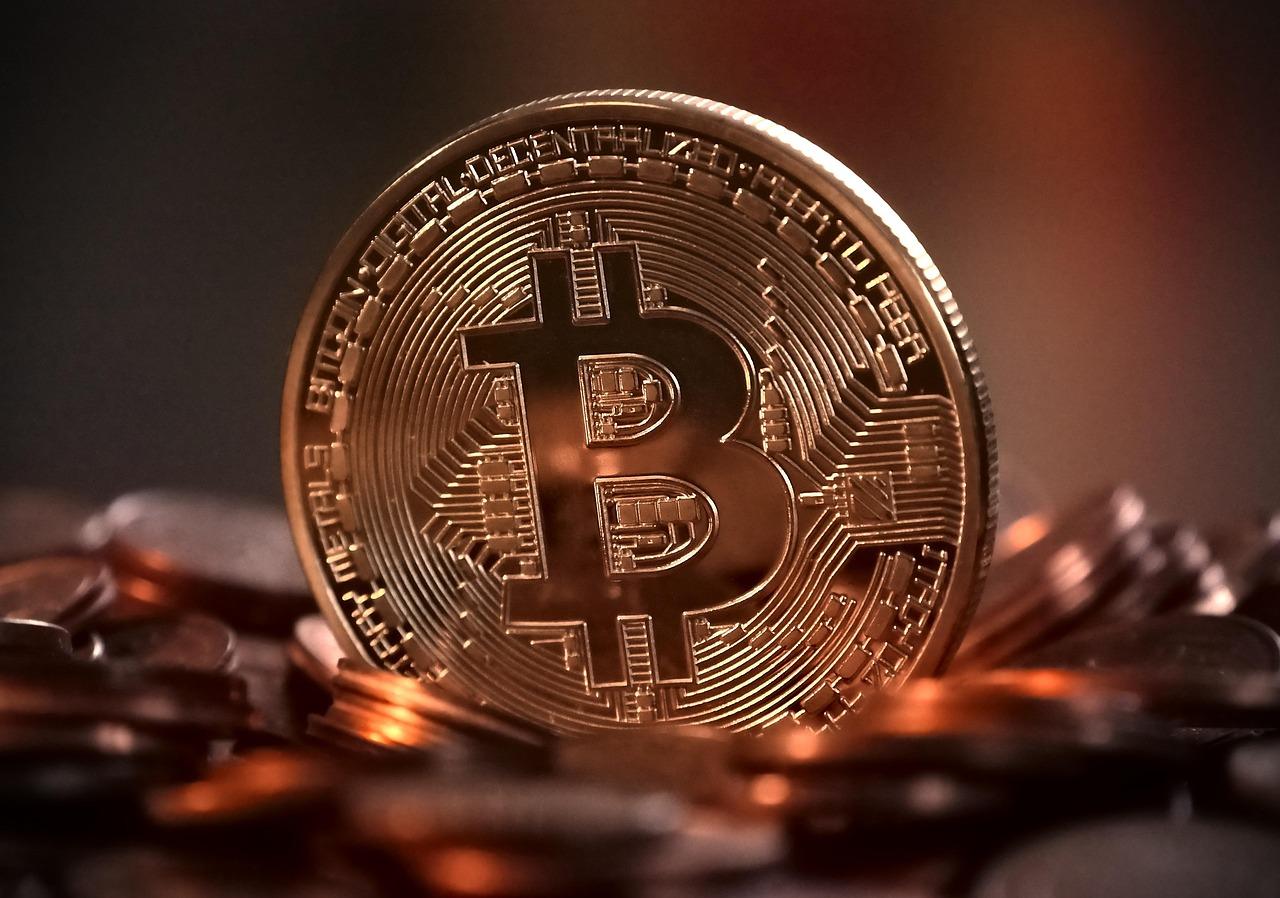
Understanding Crypto Wallets in 2026: Your Keys to the Digital Economy
Welcome to 2026. The world of digital assets has never been more vibrant, complex, or integrated into our daily lives. From purchasing NFTs that represent fractional ownership in real estate to participating in decentralized autonomous organizations (DAOs) governing multi-billion dollar protocols, and from earning yield on stablecoins to making cross-border payments in seconds – cryptocurrency is no longer a niche interest. It's a foundational layer of the global financial and technological landscape. With Bitcoin having sailed through its fifth halving event and Ethereum’s full scalability solutions firmly in place, market confidence is robust, and mainstream adoption is at an all-time high. Institutions are deeply invested, and regulatory clarity, while still evolving, provides a more stable environment for innovation.
Yet, amidst this exhilarating progress, one fundamental concept remains absolutely critical, and often misunderstood: the crypto wallet. Forget the notion of a digital 'pocket' where your Bitcoin and Ethereum physically reside. That's a common misconception that can lead to costly mistakes. In 2026, understanding your crypto wallet isn't just about managing assets; it's about mastering self-custody, securing your digital identity, and safeguarding your financial future in an increasingly tokenized world.
This article will demystify crypto wallets, diving deep into the essential components that empower you: private keys, seed phrases, and the various forms these wallets take today. We’ll explore the cutting-edge trends shaping wallet technology in 2026 and look at what lies beyond, ensuring you’re equipped to navigate this dynamic digital frontier.
What Exactly is a Crypto Wallet? (It's Not a Bank Account)
In its essence, a crypto wallet is a software or hardware application that allows users to interact with a blockchain network. Crucially, it doesn't "store" your cryptocurrency in the way a physical wallet stores cash. Instead, it stores the cryptographic information – specifically, your private keys – that proves ownership of your assets on the blockchain. Think of the blockchain as a public ledger that records all transactions and who owns what. Your crypto wallet is merely the tool that lets you access and manage your entries on that ledger.
When you "send" Bitcoin, you're not actually moving digital coins from one wallet to another. You're broadcasting a transaction to the network, stating that the ownership of a certain amount of Bitcoin associated with your public address should now be transferred to another public address. Your private key is what authorizes this transaction.
The Heart of the Matter: Private Keys
The private key is arguably the most vital piece of information in the entire crypto ecosystem. It's a secret, alphanumeric string (e.g., `E9873D79C6D87BB20079C0E87C948680B0FE9075709B19777C29BB234567890C`) that gives you cryptographic control over your funds. Every public address on a blockchain has a corresponding private key. If you possess the private key for a specific address, you own the cryptocurrencies associated with that address.
- Ultimate Ownership: The mantra "not your keys, not your crypto" has never been more relevant. If you don't control your private keys, you don't truly own your assets. This is why funds held on centralized exchanges, while convenient, carry counterparty risk.
- Security Paramount: The security of your private key is non-negotiable. If it falls into the wrong hands, your funds can be stolen instantly and irrevocably. There's no "forgot password" button in crypto; losing your private key means losing access to your assets forever.
- Public Key Derivation: Your public key (and by extension, your wallet address) is mathematically derived from your private key. This relationship is one-way: you can generate a public key from a private key, but you cannot reverse-engineer a private key from a public key.
The Lifeline: Seed Phrases (Mnemonic Phrases)
Memorizing or securely storing a long, random alphanumeric string like a private key is impractical and error-prone for most humans. This is where seed phrases come in. A seed phrase (often 12 or 24 words, sometimes more) is a human-readable representation of your private key (or, more accurately, the master seed from which all your wallet's private keys are derived). Examples include phrases like "urban swarm ocean rich dizzy often able coil expand rural tide hunt."
- Backup and Recovery: Your seed phrase is your ultimate backup. If your wallet device is lost, stolen, or damaged, you can use your seed phrase to recover access to all your funds on a new wallet device. It's the master key to your digital vault.
- Offline Storage is King: In 2026, with the proliferation of sophisticated phishing attacks and AI-driven malware, storing your seed phrase digitally (e.g., on a computer, cloud storage, or even a password manager) is considered highly risky. The gold standard remains offline storage – etched into metal, written on specialized paper, or stored in a fireproof safe. Many crypto veterans even recommend splitting a seed phrase and storing parts in separate secure locations.
- Never Share: Your seed phrase is your most guarded secret. Anyone who has it has full control over your crypto assets. Never share it with anyone, under any circumstances, even if they claim to be "support staff" from a wallet provider or exchange.
Types of Crypto Wallets in 2026
The innovation in wallet technology has accelerated rapidly. In 2026, we have a diverse ecosystem of wallets catering to different needs, balancing convenience, security, and functionality. They generally fall into two categories: hot and cold.
Hot Wallets (Connected to the Internet)
Hot wallets are generally more convenient for frequent transactions and interacting with decentralized applications (dApps). However, their online nature makes them inherently more susceptible to cyber threats.
-
Web Wallets: Browser extensions like MetaMask, Rabby, and Phantom are ubiquitous in 2026. They provide seamless connectivity to thousands of dApps across various blockchains (Ethereum, Polygon, BNB Chain, Solana, Arbitrum, Optimism, etc.). They are the primary gateway for DeFi, NFT marketplaces, and Web3 gaming. While convenient, users must be hyper-vigilant against malicious websites and phishing attempts, which are increasingly sophisticated, sometimes even employing deepfake technology in social engineering scams.
-
Mobile Wallets: Apps like Trust Wallet, Coinbase Wallet, or Rainbow Wallet offer excellent portability and ease of use, often integrating biometric security (fingerprint, face ID) for transaction signing. They're great for on-the-go payments, checking portfolio balances, and basic dApp interaction. Many now offer integrated swap features and direct NFT viewing, reflecting the current trend of multi-chain asset management.
-
Desktop Wallets: Less common for daily interactions in 2026 compared to browser extensions, desktop wallets still serve a purpose for users who prefer a dedicated application on their computer for specific cryptocurrencies or larger holdings, offering a slightly more isolated environment than a browser extension.
Pros of Hot Wallets: High accessibility, user-friendly, excellent for dApp interaction and frequent trading, often free to use.
Cons of Hot Wallets: Vulnerable to online attacks (malware, phishing), less secure for large holdings, private keys are online (even if encrypted).
Cold Wallets (Offline)
Cold wallets offer the highest level of security by keeping your private keys completely offline, making them impervious to internet-based attacks. They are the preferred choice for long-term storage and significant asset holdings.
-
Hardware Wallets: Devices like Ledger, Trezor, and Keystone continue to be the gold standard for crypto security in 2026. These physical devices store your private keys in a secure, isolated chip. When you want to make a transaction, you connect the device to your computer or phone, verify the transaction details on the device's screen, and confirm it using its physical buttons. The private key never leaves the device. New models in 2026 often feature larger screens, enhanced multi-chain support out-of-the-box, and even more robust recovery options, some exploring biometric verification for device unlocking.
-
Paper Wallets: While historically significant, paper wallets (printing your public and private keys on paper) are largely considered an outdated and less secure method in 2026. They are susceptible to physical damage, printer vulnerabilities, and are cumbersome to use for transactions. Hardware wallets offer superior security and usability.
Pros of Cold Wallets: Maximum security against online threats, ideal for long-term storage ("hodling"), true self-custody.
Cons of Cold Wallets: Less convenient for frequent transactions, potential for physical loss or damage, typically involve an upfront cost.
Custodial vs. Non-Custodial Wallets
This distinction is crucial for understanding who controls your private keys:
- Non-Custodial Wallets: (e.g., MetaMask, Ledger, Trust Wallet). You, and only you, hold your private keys and seed phrase. You are solely responsible for their security. This embodies the "not your keys, not your crypto" philosophy. While it offers ultimate control, it also demands ultimate responsibility.
- Custodial Wallets: (e.g., funds held on centralized exchanges like Binance, Coinbase, or Kraken). The service provider holds your private keys on your behalf. While convenient (they handle security, backups, and offer "forgot password" options), you are trusting a third party with your assets. This introduces counterparty risk; if the exchange is hacked, goes bankrupt, or freezes your account, your funds are at risk. In 2026, with clearer regulatory frameworks for centralized entities, the risks are somewhat mitigated, but the fundamental principle of self-custody remains paramount for true ownership.
Advanced Wallet Features and Trends in 2026
The wallet landscape isn't static. Several innovations are shaping how we interact with our digital assets:
-
Account Abstraction (ERC-4337): This is perhaps the most transformative trend in Ethereum and EVM-compatible chains in 2026. Account abstraction is making smart contract wallets mainstream, enabling features previously impossible with traditional externally owned accounts (EOAs). This includes:
- Social Recovery: Designate trusted friends or institutions to help you recover your wallet if you lose your seed phrase, without them ever having direct access to your funds.
- Gas Abstraction: Pay transaction fees in any token, not just the native chain token (e.g., pay ETH fees with USDC).
- Batch Transactions: Perform multiple actions in a single transaction, simplifying complex DeFi strategies.
- Programmable Security: Set spending limits, whitelist addresses, or require multi-factor authentication (MFA) for certain transactions directly within the wallet. This is a game-changer for user experience and security, bridging the gap between convenience and self-custody.
-
Multi-Signature (Multi-Sig) Wallets: Increasingly adopted by DAOs, businesses, and even families, multi-sig wallets require multiple private keys to authorize a transaction. For example, a 3-of-5 multi-sig wallet would need at least 3 out of 5 designated key holders to approve a transfer. This significantly enhances security and reduces single points of failure, especially for large treasuries.
-
Interoperability and Cross-Chain Support: Modern wallets in 2026 are natively multi-chain, allowing users to seamlessly manage assets across Ethereum, Solana, Cosmos, Avalanche, and more, often with integrated bridges or swap functionality to move assets between chains without leaving the wallet interface. This addresses the fragmentation that plagued earlier crypto years.
-
AI Integration for Security: We're seeing early implementations of AI-powered security features within wallets. These can include real-time threat detection for malicious smart contracts, predictive analytics for potential phishing attempts based on transaction history, or even AI assistants to help users understand complex DeFi protocols before signing transactions.
-
Regulatory Compliance Features: As regulations mature, some custodial and even certain non-custodial wallet interfaces are integrating optional KYC/AML features, particularly for interacting with regulated DeFi protocols or institutional services. While controversial for privacy advocates, this is a reality of crypto's increasing mainstream integration.
Best Practices for Wallet Security in 2026
Despite technological advancements, user vigilance remains your strongest defense:
- Secure Your Seed Phrase Religiously: Write it down, engrave it, store it offline in multiple, physically secure locations. Never photograph it, store it on a computer, or share it.
- Use a Hardware Wallet for Significant Holdings: For any amount of crypto you can't afford to lose, a hardware wallet is non-negotiable.
- Beware of Phishing and Scams: Scammers are more sophisticated than ever. Always double-check URLs, verify senders, and be suspicious of unsolicited messages. AI-generated deepfakes and voice clones are used in targeted attacks.
- Use Strong, Unique Passwords and 2FA: For any online service related to your crypto (exchanges, email), employ robust passwords and two-factor authentication.
- Understand What You’re Signing: Before confirming any transaction, especially for smart contracts, carefully review the details presented by your wallet. Be wary of requests for unlimited token allowances.
- Regularly Review Wallet Activity: Periodically check your transaction history for any unauthorized activity.
- Educate Yourself Continuously: The crypto space evolves rapidly. Stay informed about new threats, security best practices, and wallet innovations.
The Future Beyond 2026
Looking beyond 2026, the trajectory for crypto wallets is clear: they will become even more intuitive, secure, and integrated. We can anticipate:
- Ubiquitous Integration: Wallets seamlessly embedded into smart devices, operating systems, and even augmented reality interfaces, making interactions with the digital economy as natural as browsing the web today.
- Enhanced Recovery Solutions: Further advancements in social recovery and decentralized identity solutions will make losing a seed phrase less catastrophic, without compromising self-custody.
- Quantum Resistance: As quantum computing advances, research into post-quantum cryptography for wallets will intensify, ensuring long-term security against future threats.
- Blended Finance Interfaces: Wallets will increasingly serve as the primary interface for both traditional digital finance (tokenized securities, CBDCs) and decentralized finance, blurring the lines between the two.
Conclusion
In 2026, understanding crypto wallets is no longer optional; it's a fundamental skill for anyone participating in the digital economy. These aren't just tools for holding digital money; they are the gateways to decentralized finance, the metaverse, digital identity, and the very future of the internet. By grasping the critical roles of private keys and seed phrases, choosing the right type of wallet for your needs, and diligently following security best practices, you empower yourself to navigate this exciting new world with confidence and control. Embrace the responsibility of self-custody, and unlock the full potential of your digital assets.
Comments
Post a Comment